
The Ultimate Rug Size Guide for Australian Homes
Share
Quick answer: For most Australian living rooms, a 200 cm x 290 cm rug is the right starting point — for bedrooms, match the rug to your bed size (200 x 290 cm for queen beds, 240 x 340 cm for king beds), and for dining rooms, allow at least 60-75 cm beyond the table edge on all sides.
Getting the rug size right is the single biggest factor in whether your room looks pulled-together or slightly off. Too small and the furniture floats awkwardly. Too big and the space feels cramped. This guide breaks it down room by room so you can measure once, buy confidently and skip the returns.
The Golden Rule: When in Doubt, Go Bigger
Most Australians buy rugs that are one size too small. It is the most common mistake we see, and it makes even expensive rugs look cheap. If you are torn between two sizes, the larger option almost always looks more intentional and more expensive.
In open-plan homes — which covers most modern Australian builds — a generously sized rug is what visually separates the living zone from the dining zone. Without it, the whole space can feel like one big undefined area.
How to measure before you buy
Grab a tape measure and mark out the dimensions on your floor using painter's tape. Live with it for a day. Walk around the taped area, arrange your furniture within it and see how the proportions feel. This ten-minute exercise saves more returns than anything else we can recommend.
Living Room Rug Sizes
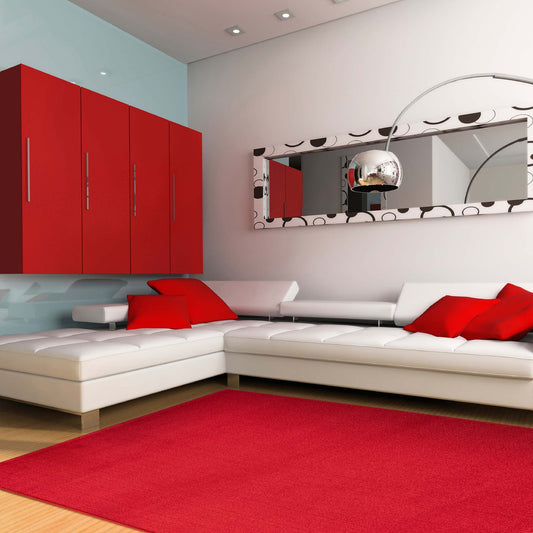
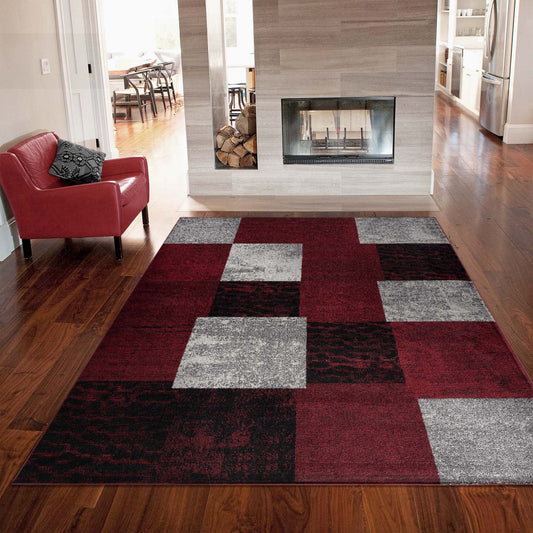
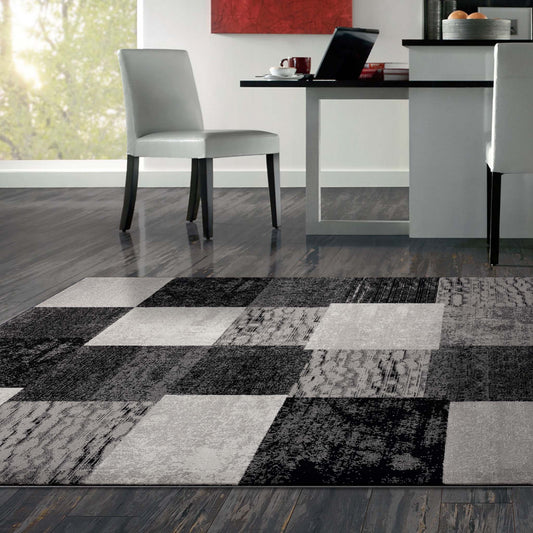
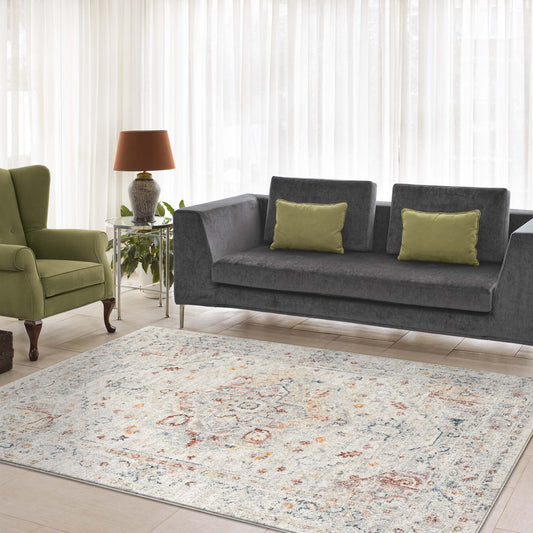
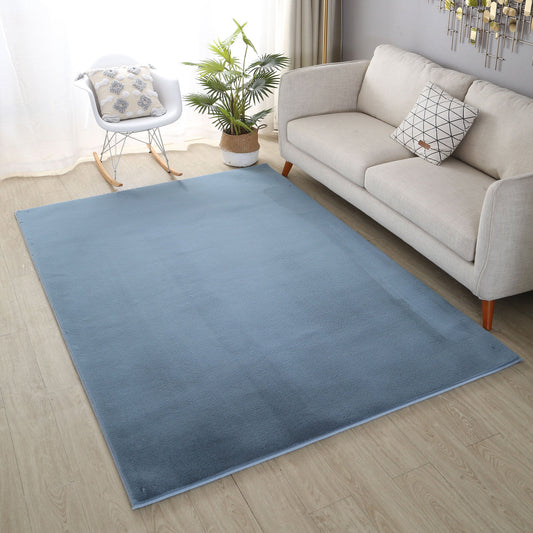
The living room is where size matters most. Your rug should be large enough that at least the front legs of the sofa and armchairs sit on it. This anchors the seating area and makes the conversation zone feel cohesive instead of scattered.
Standard sofa arrangement (3-seater + armchairs)
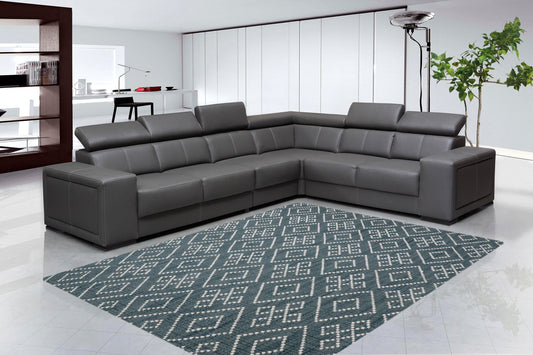
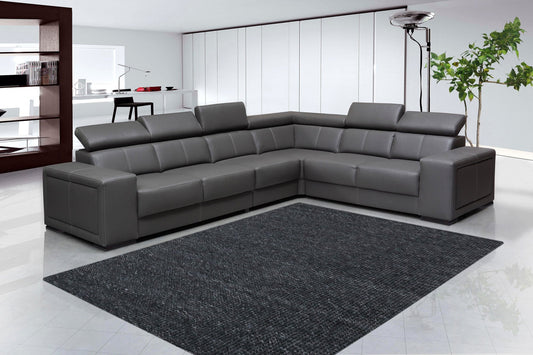
A 200x290cm rug works well for a typical three-seater sofa with one or two armchairs. If you have a larger L-shaped or modular sofa, step up to a 230x330cm or 240x340cm rug.
Large open-plan living areas
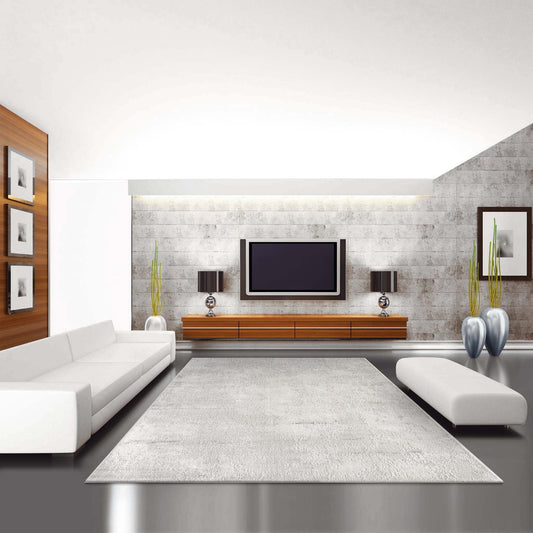
For bigger spaces — and plenty of Australian homes have them — a 300x400cm rug or an extra large rug gives the room proper scale. This is especially important if the living area opens into the kitchen or dining space.
Compact apartments or smaller lounge rooms
A 160x230cm rug is the minimum we would recommend. Anything smaller starts looking like a bath mat in a living room, and that is not the vibe. Browse our full living room rugs collection to compare sizes and styles.
Furniture placement on the rug
The ideal approach is to have at least the front legs of all seating on the rug. This creates a unified conversation zone and makes the layout look deliberate. If you can fit all furniture legs on the rug, even better — but that usually requires the larger sizes like 230x330cm or above.
If the rug only sits in the middle with no furniture touching it, it will look like an island. That is the one layout to avoid.
Bedroom Rug Sizes
A bedroom rug has one main job: making sure your feet land on something soft when you get out of bed, not cold floorboards. The placement depends on your bed size and how much floor you want covered.
Under a queen bed
A 200x290cm rug placed underneath the bottom two-thirds of the bed gives good coverage on both sides and at the foot. You want at least 50-60cm of rug extending beyond each side of the bed.
Under a king bed
King beds need a 230x330cm or 240x340cm rug to get proper proportions. A 200x290cm can technically work, but the rug will look tight and you will lose that generous feel on either side.
Bedside runners
If a large rug is not in the budget, two runners placed on each side of the bed is a smart alternative. Pair with a smaller rug at the foot of the bed and the room still feels finished. Check our bedroom rugs collection for styles that suit restful spaces.
Single beds and kids' rooms
A 120x180cm rug or 160x230cm rug works well beside or at the foot of a single bed. For kids' rooms, consider stain-resistant rugs or washable rugs that can handle the inevitable spills and craft projects.
Dining Room Rug Sizes
Dining rugs are where most people undersize badly. The rug needs to be large enough that chairs stay fully on the rug even when pulled out to sit down. If chair legs catch on the rug edge every time someone stands, the size is wrong.
The rule of thumb
Add at least 60-70cm to each side of the table. For a standard six-seater dining table (roughly 180x90cm), you need a minimum of a 230x330cm rug. For eight-seater or longer tables, a 240x340cm or 300x400cm rug is what you should be looking at.
Practicality under a dining table
Spills happen. If you are putting a rug under a dining table, consider stain-resistant rugs or flatweave options that are easier to clean. Darker colours and patterns are more forgiving than solid creams — just being realistic.
Round dining tables
If you have a round dining table, a round rug can look stunning underneath it. Allow at least 60cm beyond the table edge on all sides so chairs have room to pull out comfortably. A round rug under a round table creates a beautifully symmetrical arrangement that rectangular rugs cannot quite match.
Hallway and Runner Sizes
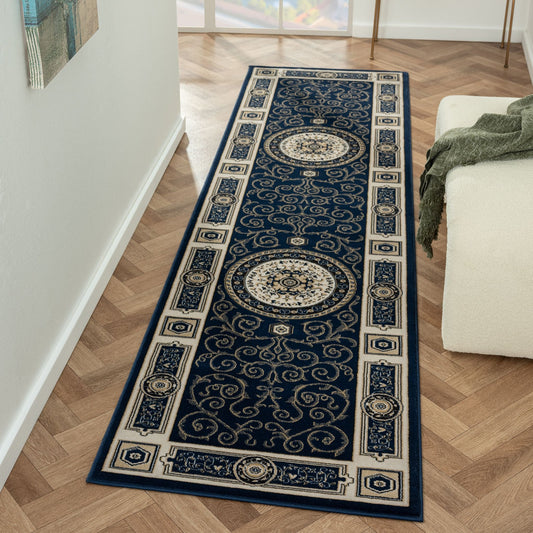
Hallways are the forgotten zones that benefit enormously from a well-sized runner. They protect the flooring, soften the space and make that long corridor actually feel designed instead of bare.
Choosing the right runner length
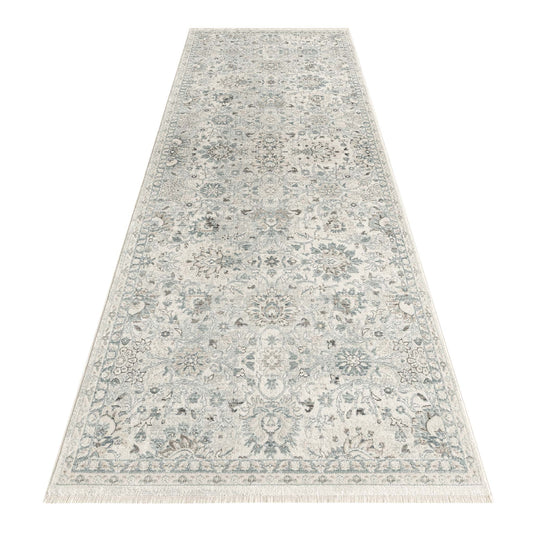
Measure your hallway and leave roughly 15-20cm of floor visible at each end. We stock runners in several lengths: 66x244cm, 80x150cm, 80x300cm and 90x170cm. Browse the full hallway runners collection to find the right fit.
Entryway rugs
A 120x180cm rug at the front entry sets the tone for the whole home and catches dirt before it gets tracked through the house. Worth doing in every Australian home, especially during storm season.
Quick Size Reference Chart
By room
Small living room: 160x230cm | Standard living room: 200x290cm | Large living room: 230x330cm or 240x340cm | Open-plan living: 300x400cm
Queen bedroom: 200x290cm | King bedroom: 230x330cm or 240x340cm
6-seater dining: 230x330cm | 8-seater dining: 240x340cm or 300x400cm
Hallway: Runner sized to hallway length | Entry: 120x180cm
Shape Matters Too
Rectangular rugs are the default for most rooms and the safest all-round choice. Round rugs work beautifully under round dining tables, in reading nooks or to soften a corner. Square rugs suit more symmetrical layouts.
If you are not sure, rectangular is almost never wrong. Start there and only go round or square if the room layout genuinely calls for it.
Common Sizing Mistakes to Avoid
Buying the cheapest size to save money: A smaller rug at a lower price point almost always looks worse than a slightly larger rug. The size makes more visual impact than the brand or the pile quality in most rooms.
Forgetting to account for furniture: Measure the furniture grouping, not just the empty floor. The rug needs to relate to the furniture, not just fill bare space.
Ignoring the room's proportions: A narrow room needs a narrower rug. A wide-open space needs width as well as length. Match the rug shape and proportions to the room rather than defaulting to whatever is on sale.
Free Delivery Australia-Wide
Every rug ships with free delivery across Australia, so you can order the right size without worrying about shipping costs eating into the budget. Browse our full range of rugs online to compare by size, room and style — and if you need a hand choosing, get in touch.