
Jute vs Wool Rugs: Which Natural Fibre is Right for You?
Quick answer: Jute rugs are affordable, textured and best suited to low-traffic rooms, while wool rugs are softer, more durable and better for high-use living areas — choose jute for relaxed coastal styling and wool for everyday comfort and longevity.
Two Natural Fibres, Very Different Personalities
Jute and wool are both popular natural fibre choices for Australian homes, but they look, feel, and perform quite differently. Choosing between them comes down to where you'll use the rug, how much traffic it'll see, and what you value most — warmth, texture, durability, or price.
Here's a head-to-head comparison across the factors that matter most.

Look and Feel
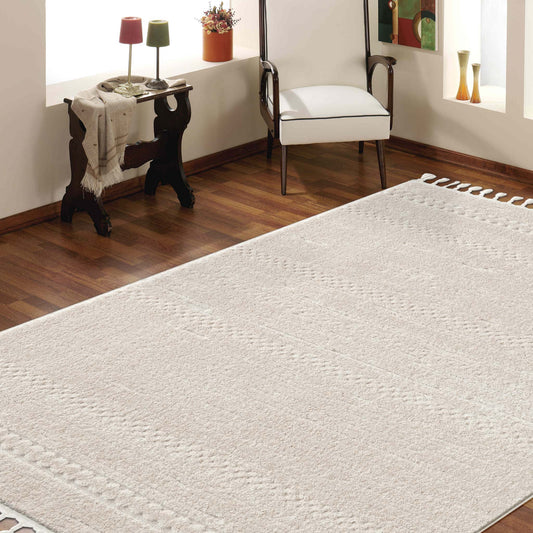
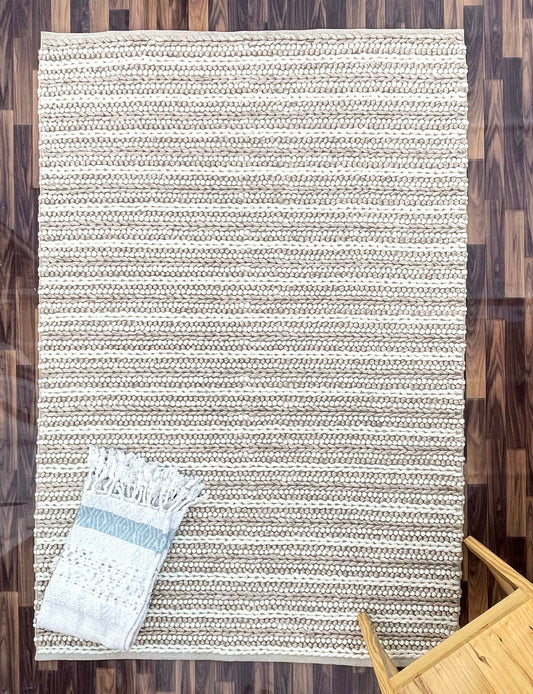
Jute rugs have a relaxed, earthy aesthetic. They're woven from plant fibres and typically come in warm golden-brown tones, though blended jute rugs can incorporate whites, greys, and other colours. They suit coastal, bohemian, and Scandi-inspired interiors beautifully.
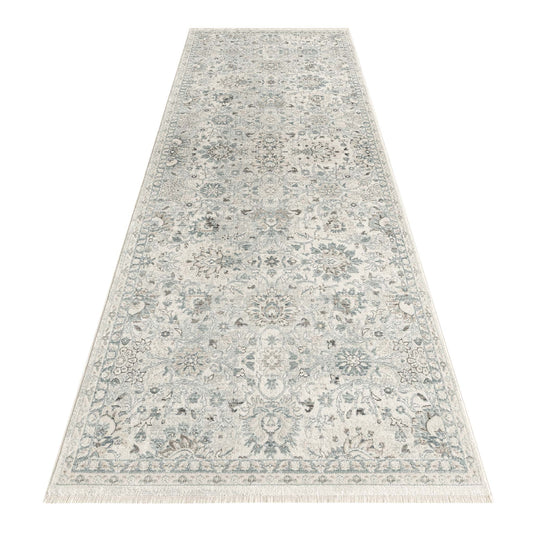
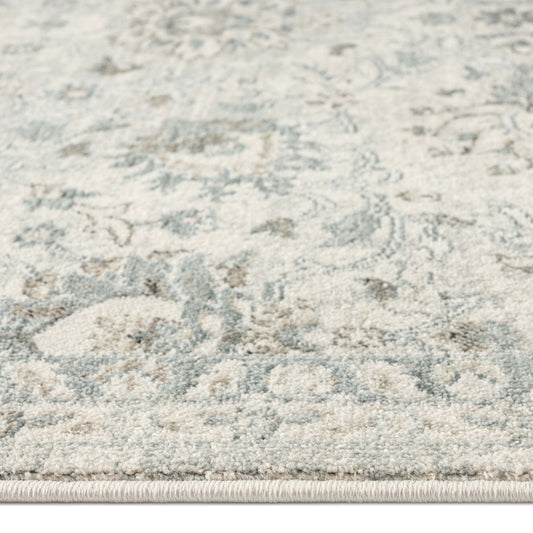
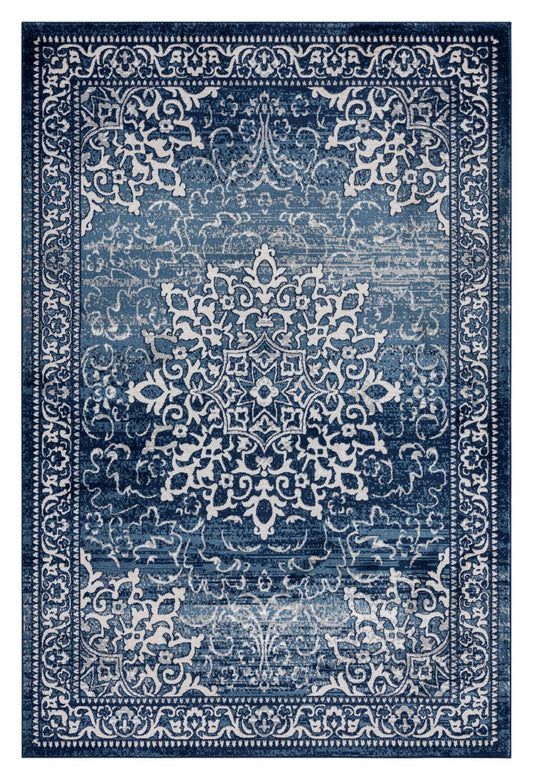
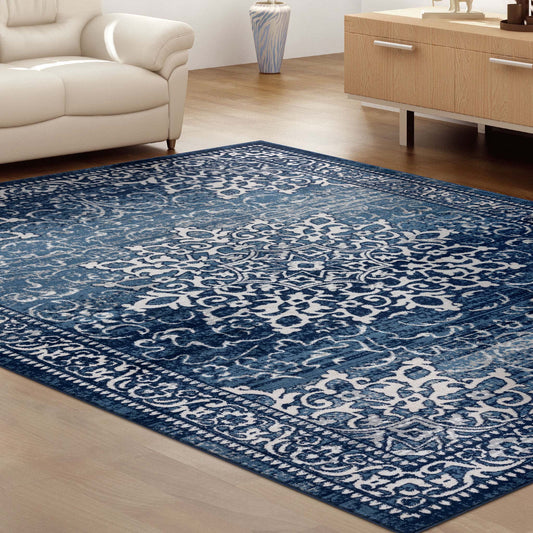
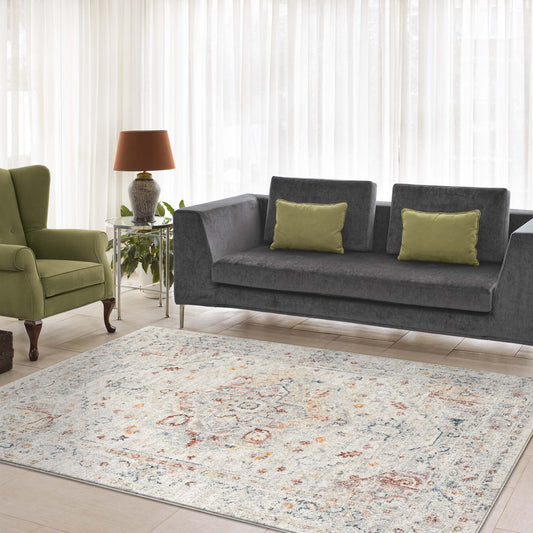
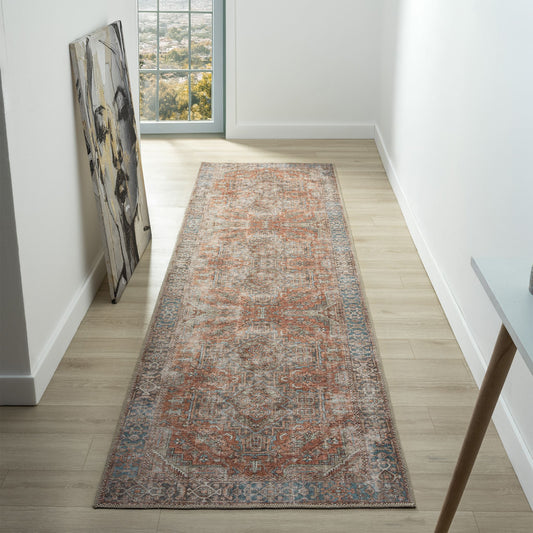
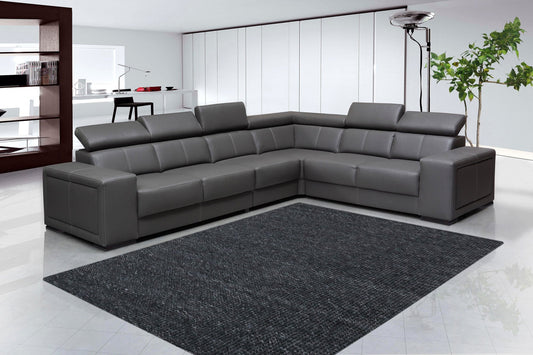
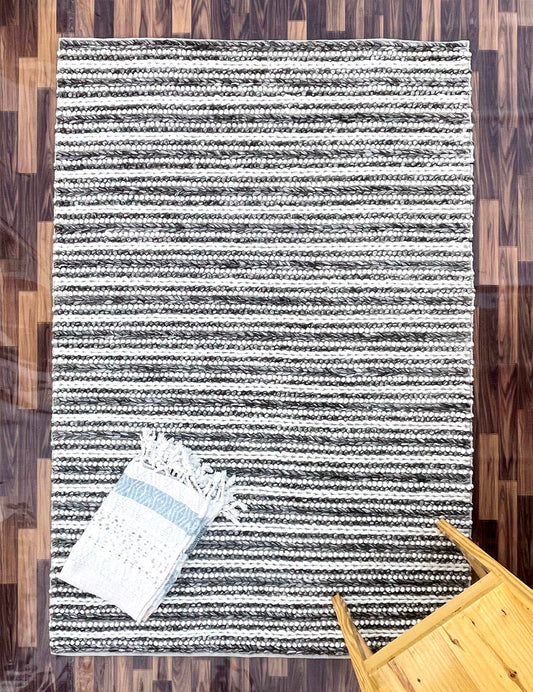
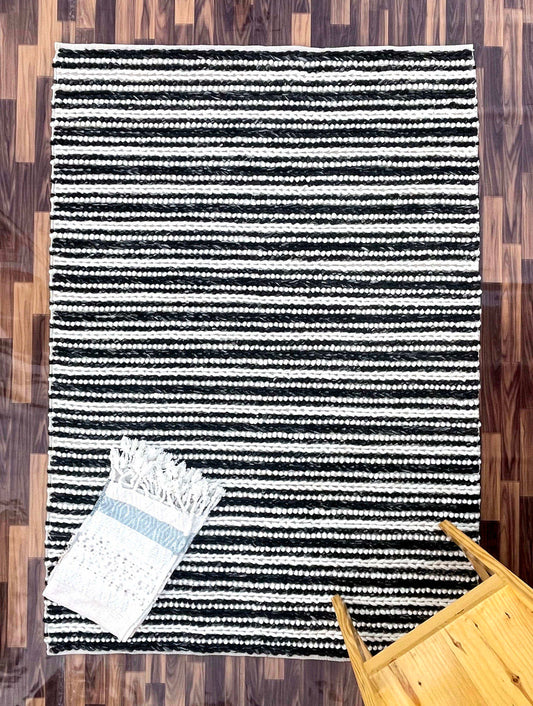
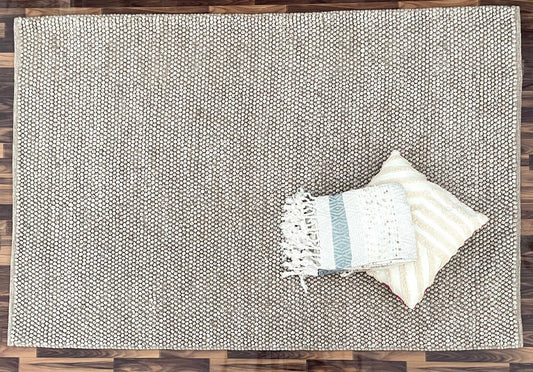
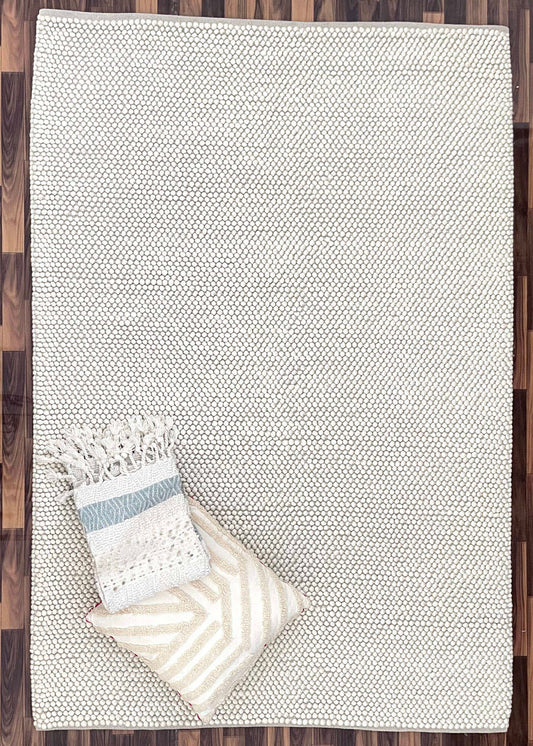
Wool rugs offer far more variety in colour, pattern, and texture. From dense hand-tufted designs to flatwoven kilims, wool can be crafted into almost any style. If you want a specific colour palette or an intricate pattern, wool gives you more creative freedom.
Durability
Wool is the clear winner for longevity. Wool fibres are naturally elastic — they bounce back after compression, which means a wool rug maintains its shape and pile height for years. High-quality wool rugs can last decades with proper care.
Jute is reasonably durable but not in the same league. The fibres are stiffer and can break down over time, especially in high-traffic areas. A jute rug in a hallway will show wear much faster than one tucked under a coffee table.
Softness Underfoot
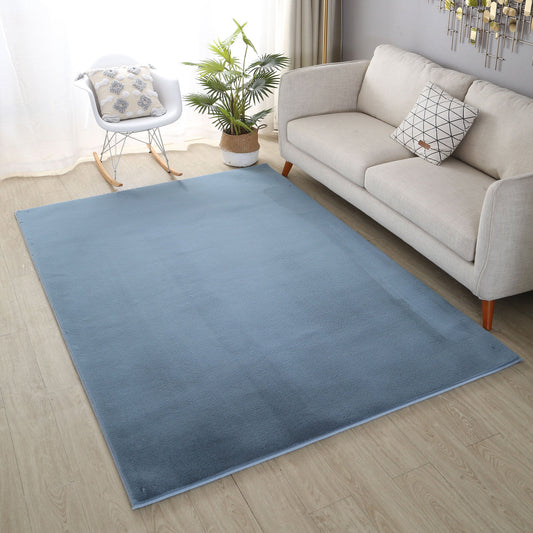
Wool is softer, full stop. It's a natural choice for bedrooms and living rooms where you want to sink your toes into something plush. Fine merino wool, in particular, feels luxurious.
Jute has a coarser, rougher texture. It's not unpleasant — many people love the organic, tactile feel — but it's not the rug you'd choose for a nursery floor or a spot where you'll sit cross-legged regularly.
Moisture Handling
This is a critical factor for Australian homes. Wool has a natural ability to absorb and release moisture without feeling damp. It can absorb up to 30% of its weight in water before it even feels wet, making it well-suited to humid climates.
Jute is far more sensitive to moisture. It absorbs water readily and dries slowly, which can lead to mould, mildew, and unpleasant odours. Avoid jute rugs in bathrooms, laundries, or any area prone to spills and humidity.

Stain Resistance
Wool has a natural lanolin coating that repels liquids on initial contact. If you blot a spill quickly, it often won't penetrate the fibre. Wool is also relatively easy to spot-clean.
Jute stains easily and permanently. Red wine, coffee, or even plain water can leave visible marks. If your household includes young children or pets, jute in a dining or living area is a risky choice.
Price
Jute rugs are generally more affordable. A large jute rug costs significantly less than a comparable wool rug, making it an attractive option for renters, first homes, or spaces where you want the natural look without a large investment.
Wool rugs are a bigger upfront spend, but their longevity often makes them better value over time. Think of wool as a long-term investment and jute as a stylish, budget-friendly option you might replace every few years.
Best Rooms for Each
Jute Shines In
Living rooms with low to moderate traffic, sunrooms, coastal-styled bedrooms, covered outdoor entertaining areas, and layered under smaller accent rugs. Jute also pairs perfectly with Hamptons-style interiors.
Wool Shines In
High-traffic living rooms, dining rooms, bedrooms (especially where bare feet are common), home offices, and any room where spills are likely. Wool works across virtually every interior style, from traditional to contemporary.
Environmental Credentials
Both fibres score well here. Jute is one of the most sustainable crops on earth — it grows quickly, requires minimal pesticides, and is fully biodegradable. Wool is a renewable resource shorn annually, and it biodegrades naturally at end of life.
If environmental impact is a priority, both options are excellent. The choice between them should come down to performance needs rather than eco-credentials.

The Verdict
Choose jute if you want a relaxed natural look at a lower price point and you're placing the rug in a dry, lower-traffic area. Choose wool if you need durability, softness, stain resistance, and versatility — or if the rug is going in a busy part of your home.
Browse our full natural rug collection to explore both options, with free delivery Australia-wide on every order.