
The Best Materials for Outdoor Rugs
Share
Quick answer: The best materials for outdoor rugs are polypropylene and synthetic flatweaves, which resist moisture, UV fading and mould while still looking good enough for a styled patio or alfresco area.
An outdoor rug has to survive sun, rain, foot traffic and the occasional spill — all while still looking good enough that the patio feels like a proper living space. That narrows the field quickly. Not every material can handle outdoor conditions, and the right choice depends on how exposed the area is, how much maintenance you want to do and what look you are after.
Polypropylene: The All-Round Performer
Polypropylene is the most common material for outdoor rugs, and for good reason. It is moisture-resistant, UV-stable, easy to clean and affordable. Most polypropylene rugs can be hosed down, dried in the sun and put back in place without any fuss.
It handles humidity well, which matters in Australian climates where morning dew, afternoon storms or coastal moisture are part of life. Polypropylene also resists mould and mildew better than most natural fibres, making it a strong default for any outdoor space.
The trade-off is feel. Polypropylene does not have the soft, textured hand-feel of natural fibres. For fully exposed patios and pool areas, that trade-off is worth it. For covered alfresco areas where comfort matters more, you might want to look at blended options.
Polyester: Colour That Lasts
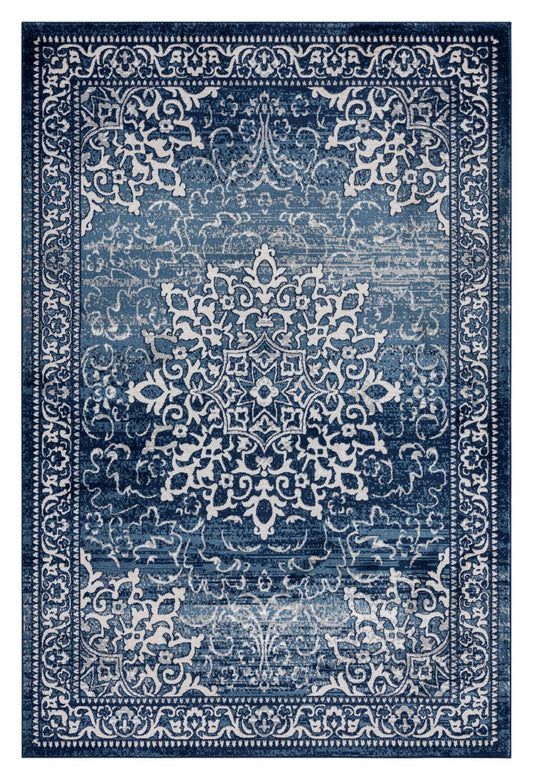
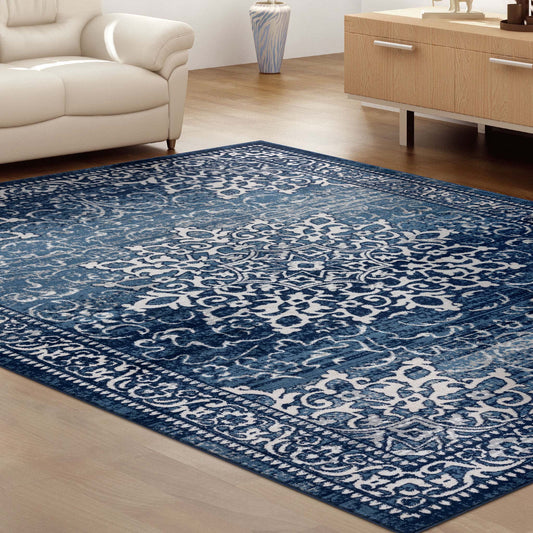
Polyester holds dye exceptionally well, which means brighter colours and more vivid patterns that resist fading over time. If you want an outdoor rug with strong visual impact — think bold blues, greens or multi-coloured patterns — polyester is worth considering.
It is also moisture-resistant and easy to spot-clean. The main limitation is that polyester is slightly less durable than polypropylene under heavy foot traffic, so it suits covered entertaining areas better than high-traffic walkways or pool surrounds.
Jute and Natural Fibres: The Textured Option
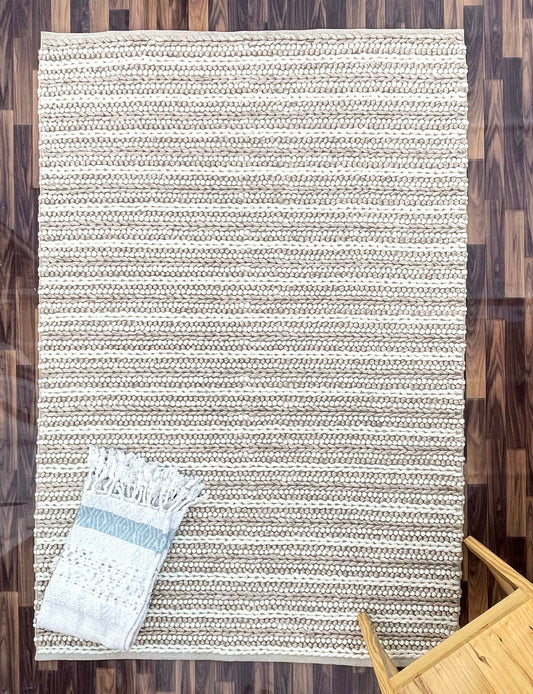
Natural fibre rugs bring a warmth and organic texture that synthetics struggle to match. Jute, sisal and hemp all have that earthy, relaxed look that suits coastal and casual Australian interiors beautifully.
The catch is durability outdoors. Natural fibres absorb moisture, which means they can develop mould in humid conditions and break down faster when exposed to rain. They are best suited to covered outdoor areas with good airflow — think a sheltered verandah or a roofed alfresco space rather than an open deck.
If you love the natural look but need proper weather resistance, look for synthetic rugs that mimic the jute or sisal aesthetic. You get the visual warmth without the moisture risk.
Recycled and Sustainable Materials
Recycled polypropylene and recycled PET (made from plastic bottles) are increasingly popular for outdoor rugs. They offer similar performance to virgin synthetics — weather resistance, UV stability, easy cleaning — with a smaller environmental footprint.
These materials work well in any outdoor setting and are worth seeking out if sustainability matters to you. The quality and feel have improved significantly in recent years, and most people cannot tell the difference from conventional synthetics.
Weather Resistance and UV Fading
Australian sun is harsh, and UV fading is a real concern for any outdoor rug. Polypropylene and solution-dyed polyester handle UV best because the colour is built into the fibre rather than applied to the surface. This means fading happens much more slowly.
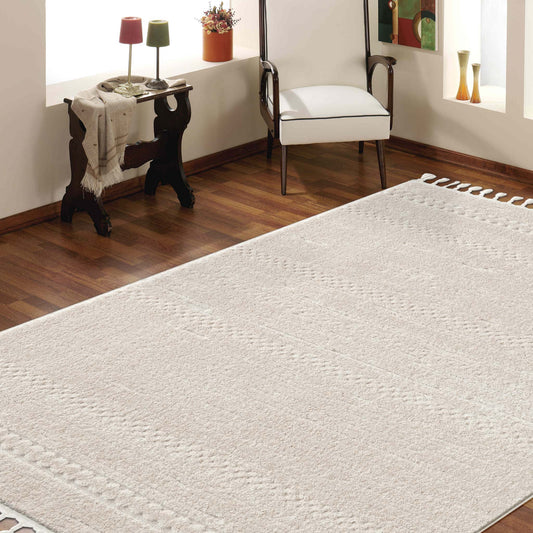
For fully exposed areas that get all-day sun, choose lighter or mid-tone colours — they show fading less than very dark or very vibrant shades. Neutral rugs, beige rugs and grey rugs are forgiving choices for sunny spots.
If the area is partially shaded or covered, you have more freedom with colour. That is where bolder choices and patterned options really shine without the risk of looking washed out after a season.
Cleaning and Maintenance
The best outdoor rug material is one you can clean without a production. Most synthetic outdoor rugs can be vacuumed, hosed down with water, spot-cleaned with mild detergent and left to air dry. That is it.
Washable rugs take it a step further — some can go straight into the washing machine, which is ideal for smaller outdoor rugs or ones in high-mess zones like barbecue areas or kids' play spaces. Stain-resistant rugs add another layer of protection against food spills, drink marks and pet accidents.
For natural fibre rugs used in covered outdoor areas, stick to regular vacuuming and spot-cleaning only. Avoid soaking them, and lift them periodically to check for moisture buildup underneath.
Choosing the Right Size for Outdoor Spaces
Outdoor rugs follow the same sizing principles as indoor ones: bigger usually looks better. An undersized rug on a patio makes the furniture arrangement feel awkward. For a standard outdoor dining setting, a 200x290cm or 230x330cm rug works well. For lounge-style seating areas, match the size to the furniture footprint just as you would indoors.
Rectangular rugs are the most versatile shape for outdoor areas, but round rugs can work nicely under a circular outdoor table or in a smaller defined space.
The best outdoor rug material is the one that handles your climate, your traffic and your cleaning patience. We offer free delivery Australia-wide on every order. Browse our full range of outdoor rugs or explore the complete rug collection to compare options.