How to Style Colourful Rugs Without Overwhelming a Room
Share
Quick answer: To style a colourful rug without overwhelming the room, let the rug be the hero: keep large furniture neutral, pull one or two accent colours from the rug’s pattern into cushions or art, and follow the 60-30-10 rule — 60% neutral base, 30% secondary tone, 10% bold colour (that’s the rug’s job).
Why colourful rugs scare people (and why they shouldn’t)
Everyone stops at the multi-coloured rugs, and then most people buy beige. The fear is always the same: "it will take over the room." But a colourful rug is actually the lowest-risk way to add personality to a home — it sits on the floor, not at eye level, it does not require repainting anything, and if you move house it moves with you. The trick is not avoiding colour; it is giving colour a supporting cast that knows its place.
Rule 1: one hero per room
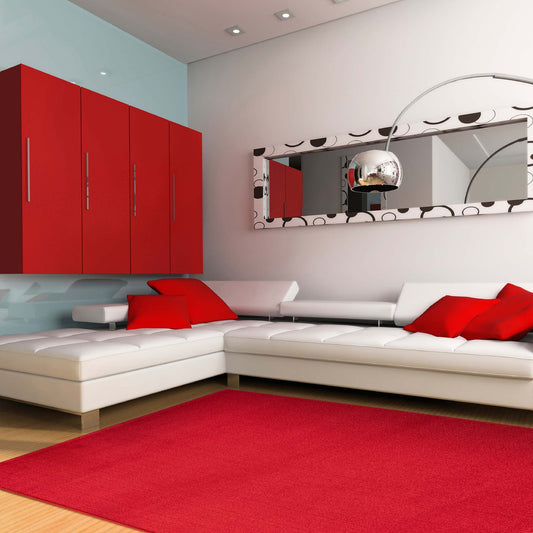
A bold rug works when it is the clear focal point. If the sofa is also loud, the curtains are also loud and the art wall is also loud, the room turns into a shouting match. Keep your big-ticket items — sofa, walls, curtains — in neutrals, and let the rug do the talking. If your heart is set on colour everywhere else instead, pick from our neutral rugs and flip the formula.
Rule 2: steal colours from the rug
The easiest styling shortcut in interiors: pick one or two colours from the rug’s pattern and repeat them in small doses around the room — a cushion, a throw, a vase, a framed print. That repetition makes the rug feel connected to the space rather than dropped into it. A rug with teal, rust and gold, say, needs only a teal cushion and a rust throw to look completely intentional.
Rule 3: 60-30-10
Interior designers lean on this because it works: about 60% of the room in a dominant neutral (walls, sofa, large furniture), 30% in a secondary tone (curtains, side chairs, timber), and 10% in a bold accent. A colourful rug slots naturally into that 10% — enough to lift the room, never enough to swamp it.
Picking your palette
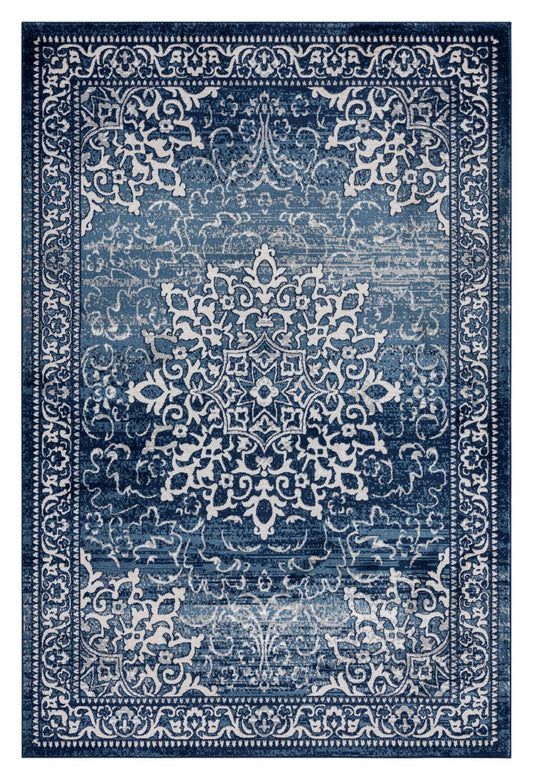
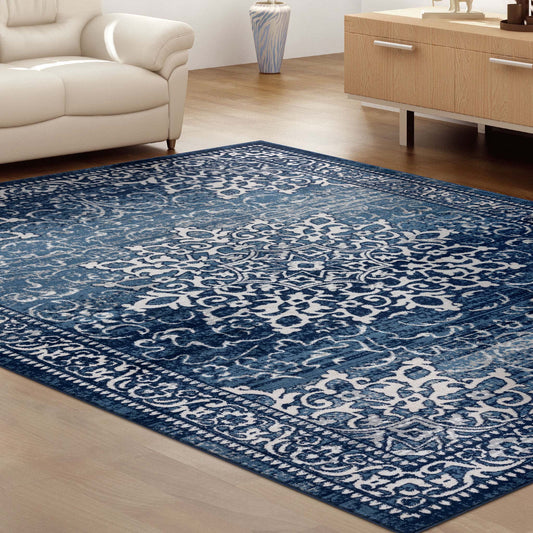
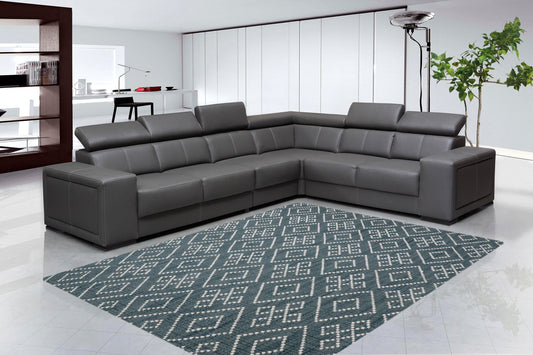
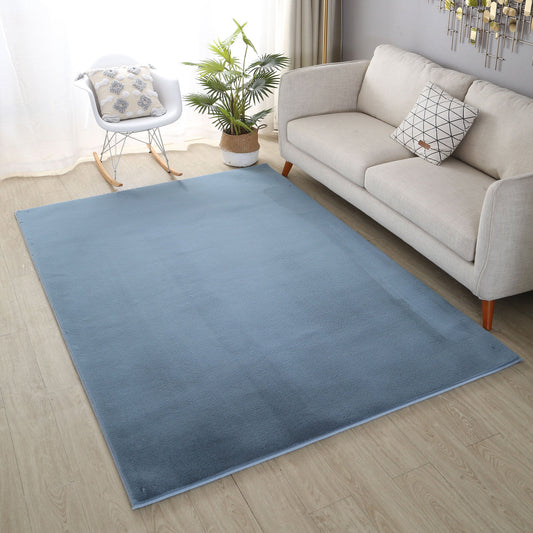
Cool and calming: blues and greens sit happily in almost any Australian home. Browse blue rugs, green rugs or our teal & aqua rugs for coastal and Hamptons-leaning palettes.
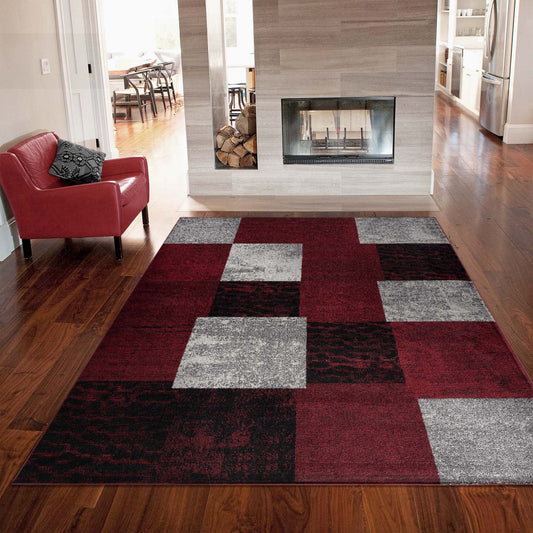
Warm and inviting: red, gold and terracotta tones bring energy to living and dining rooms, and they are brilliant at hiding the evidence of real life.
Soft and playful: pink rugs work beautifully in bedrooms and kids’ spaces without reading as childish — dusty and blush tones especially.
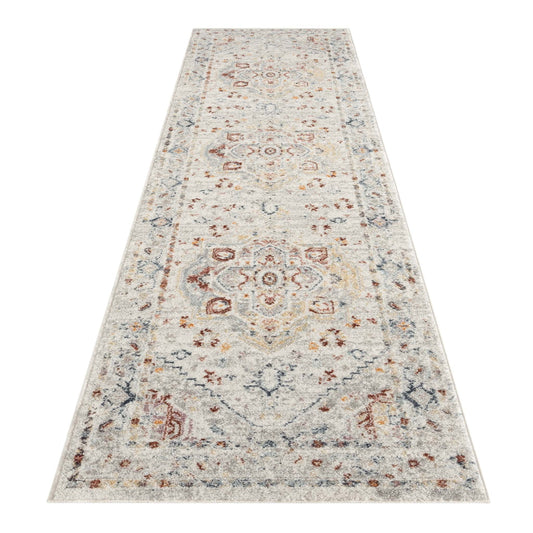
Everything at once: a true multi-coloured rug — boho, Persian-inspired or abstract — is the most forgiving choice of all, because almost any accent colour you already own appears somewhere in the pattern. If you are unsure where to start, our guide on how to choose a rug colour walks through it room by room.
Room-by-room quick hits
Living room: colourful rug + neutral sofa + two accent cushions pulled from the rug. Done.
Bedroom: keep bedding white or linen-toned and let a colourful rug warm the floor — it makes small bedrooms feel curated rather than busy.
Dining room: patterned, multi-coloured designs are the practical champion here — they disguise crumbs and the occasional red-wine incident between cleans.
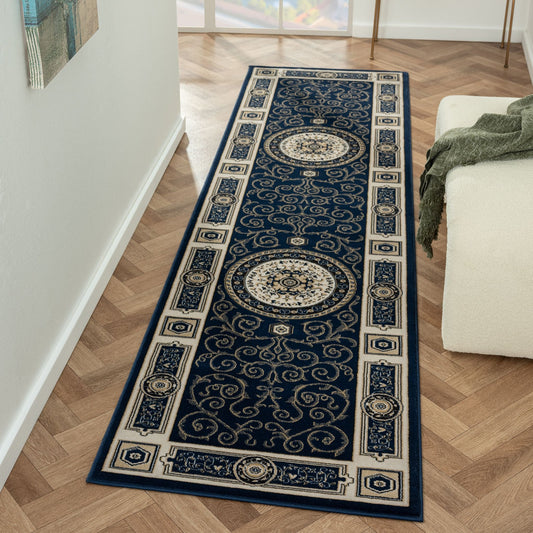
Hallway: a colourful runner is the fastest way to make an entry memorable; the compact area keeps even bold patterns from dominating.
Frequently asked questions
Will a colourful rug make my room look smaller?
No — size does that, not colour. A properly sized colourful rug can actually make a room feel more finished and generous. Go too small in any colour and the room shrinks.
What if my furniture is already colourful?
Choose a rug that repeats one colour already in the room in a quieter pattern, or ground everything with a neutral rug. One hero per room.
Do colourful rugs date quickly?
Trend colours come and go, but multi-coloured traditional and distressed patterns have been in Australian homes for decades. If longevity worries you, pick a design anchored by tones you have loved for years, not this season’s hype colour.