
8 Tips for Choosing the Perfect Rug for Your Space
Share
Quick answer: The eight most important tips for choosing a rug are: get the size right first, match the rug to your room's traffic level, choose colour based on your existing palette, consider the floor type underneath, use a non-slip underlay, shop by room not just style, check the return policy, and buy the biggest size you can fit.
Buying a rug sounds simple until you are staring at hundreds of options and second-guessing every choice. The good news is that most rug regrets come from the same handful of mistakes — and they are all avoidable. Here are eight practical tips that will get you to the right rug faster.
1. Start With the Room, Not the Style
Before you fall in love with a pattern, figure out where the rug is going. A living room rug does a completely different job from a bedroom rug, a hallway runner or an outdoor rug. Each room has different traffic, different furniture and different lighting, and all of that changes what works.
Living rooms need a rug that anchors the seating area. Bedrooms need softness underfoot. Hallways need durability in a narrow footprint. Outdoor areas need weather resistance. Shop by room first, then narrow by style — not the other way around.
This single habit eliminates about half the decision fatigue. Instead of scrolling through thousands of rugs, you are immediately looking at a curated set that makes sense for your space.
2. Go Bigger Than Your First Instinct
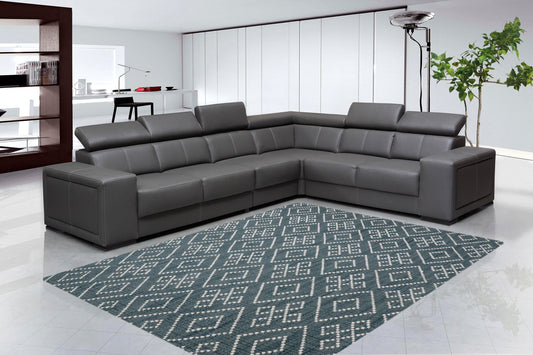
This is the tip that saves the most regret. Almost everyone's first instinct is to buy a rug that is one size too small. A too-small rug makes even expensive furniture look disconnected and the room feel unfinished.
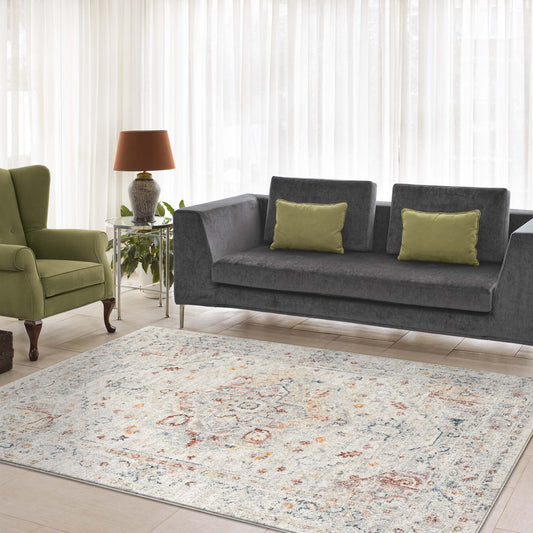
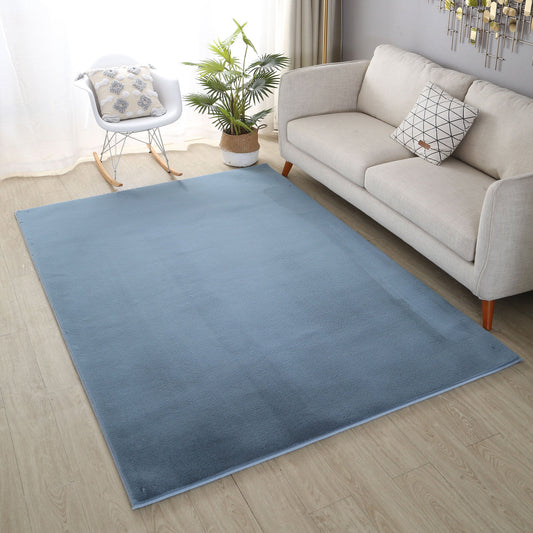
In a living room, the rug should be large enough that at least the front legs of your sofa sit on it. Compare 160x230cm, 200x290cm, 230x330cm and 240x340cm rugs to find what actually fits your space. When in doubt, tape the dimensions on the floor before you buy.
This is especially important in Australian open-plan homes where the rug is doing the job of visually separating the living zone from the rest of the space. A rug that is too small for an open-plan layout looks lost and makes the furniture arrangement feel random.
3. Match the Style to Your Furniture
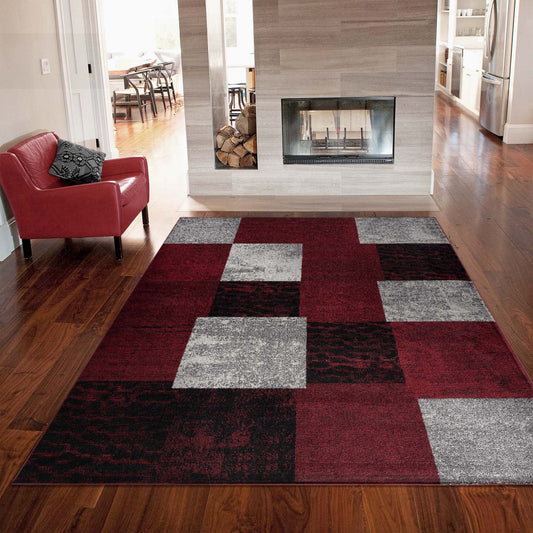
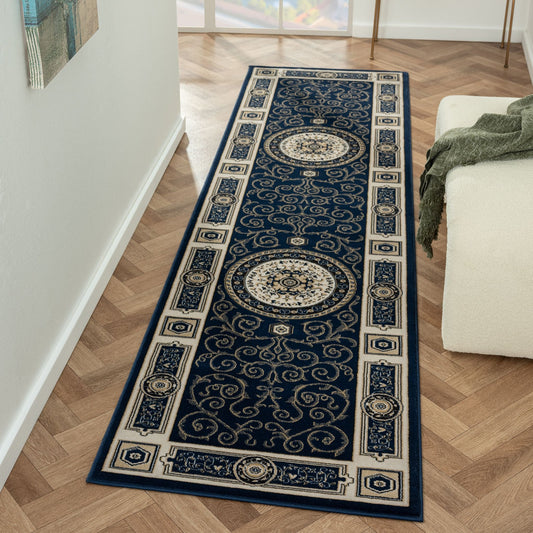
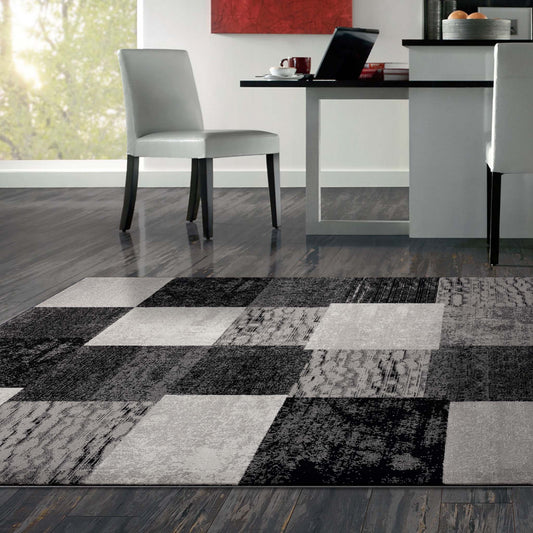
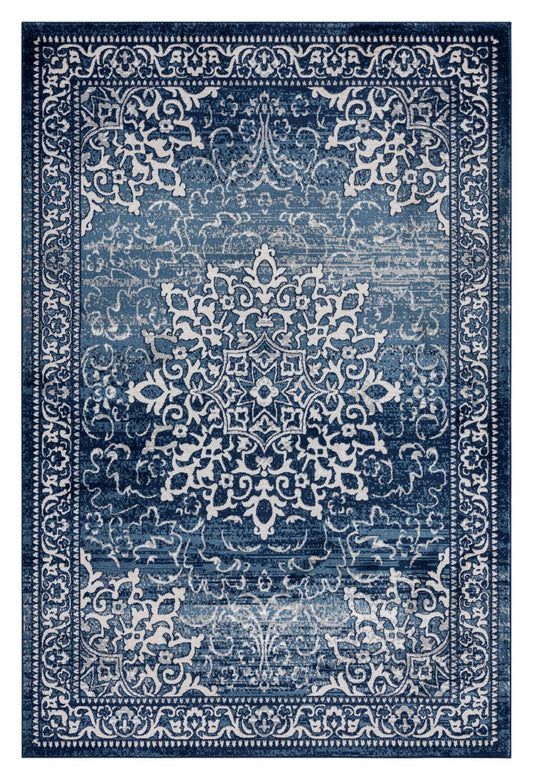
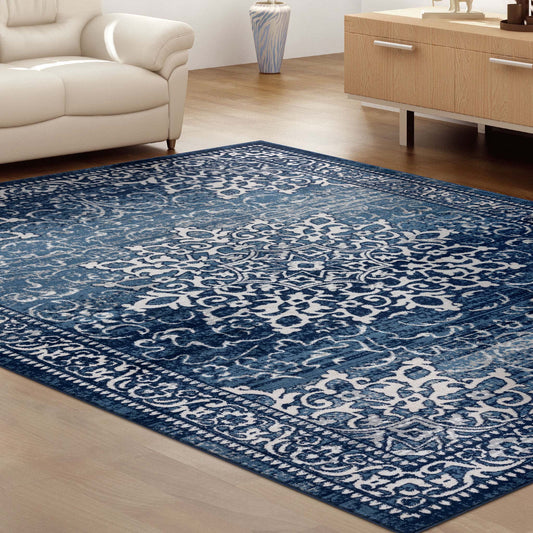
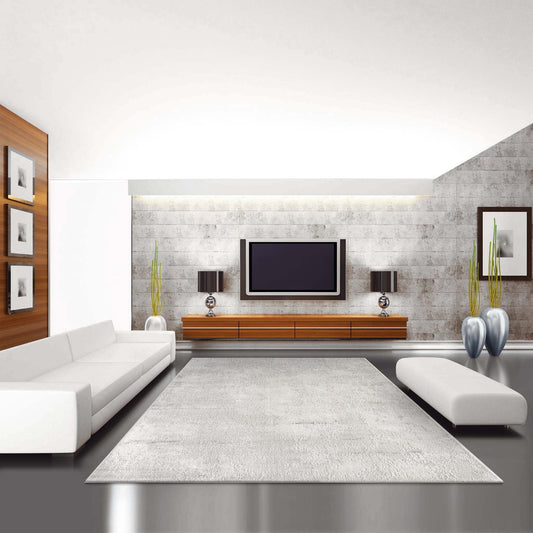
A rug should feel like it belongs in the room, not like it wandered in from a different house. If your furniture is clean-lined and contemporary, modern rugs, abstract rugs or Scandinavian rugs will usually sit well. If you have warmer, more layered styling, traditional rugs, Persian rugs or Moroccan rugs will add depth without clashing.
Not sure what your style is? Neutral rugs and plain rugs work with nearly everything and give you room to change your mind later.
4. Use Neutrals When You Want Flexibility
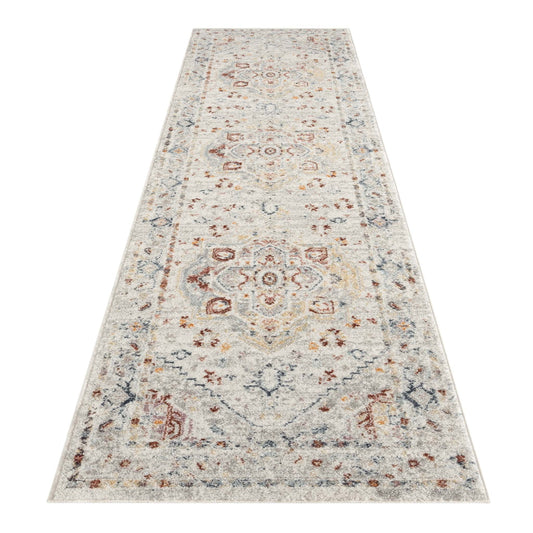
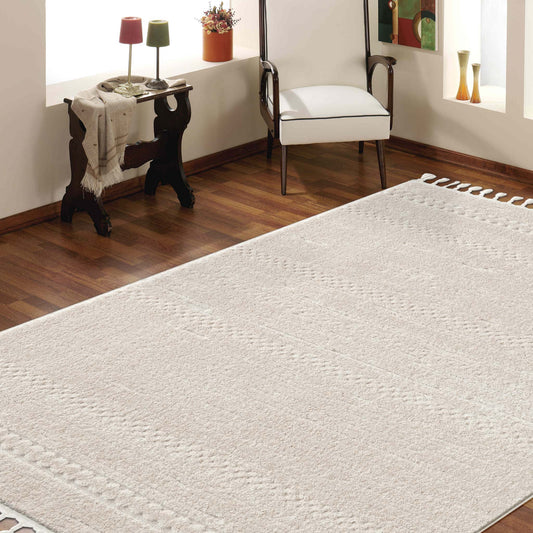
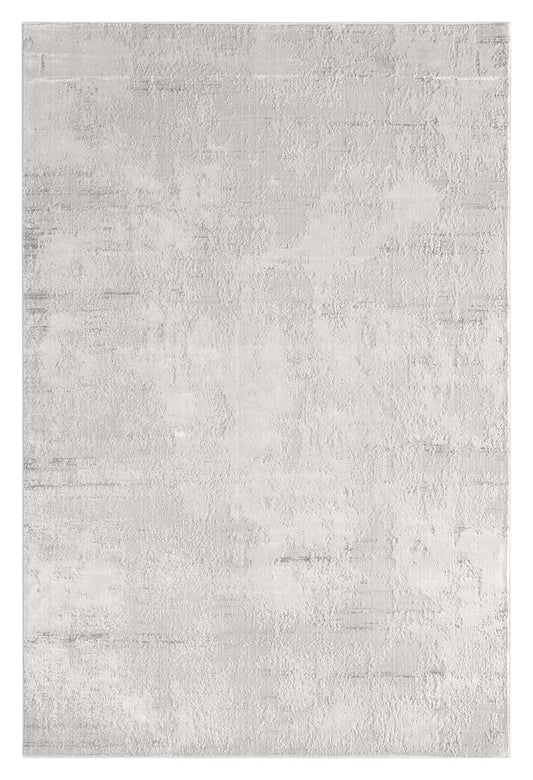
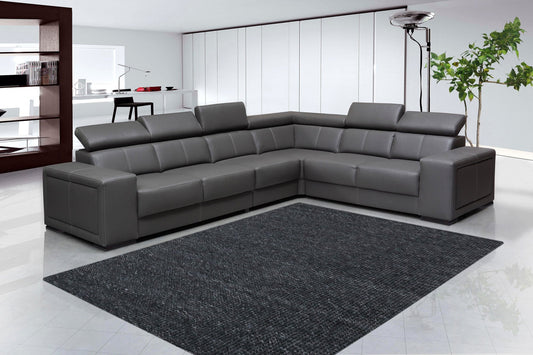
If you change cushions, throws or artwork regularly — or if you just do not want to commit to a bold statement — neutrals are the lowest-risk option. Beige, cream, ivory and grey rugs let you restyle the room without the rug fighting every new addition.
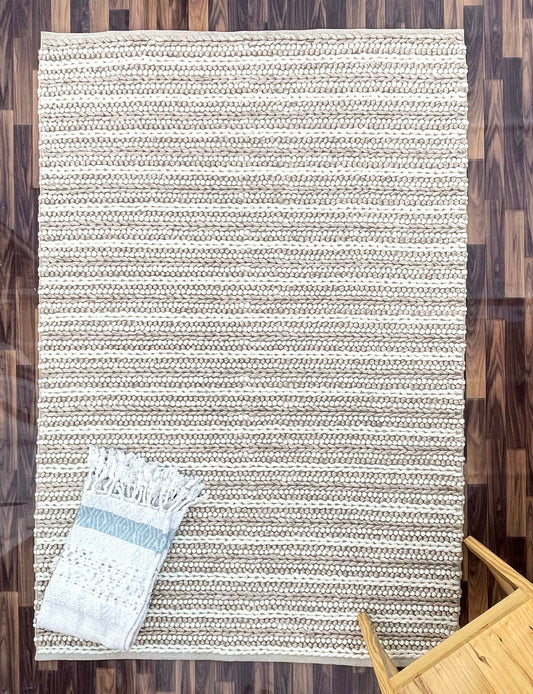
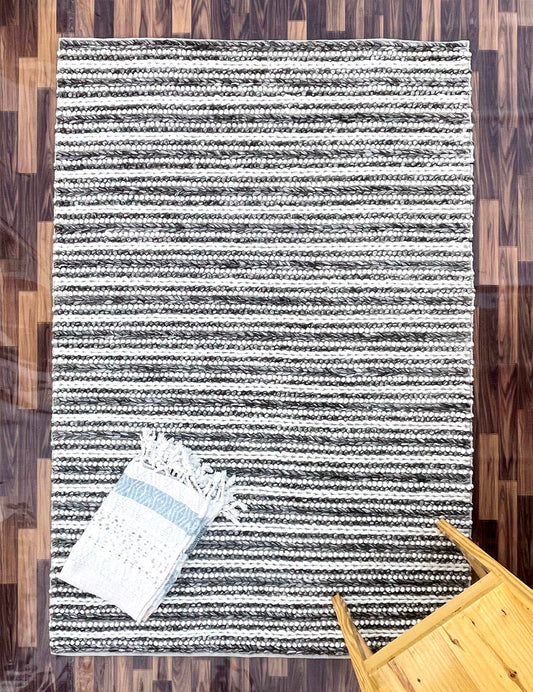
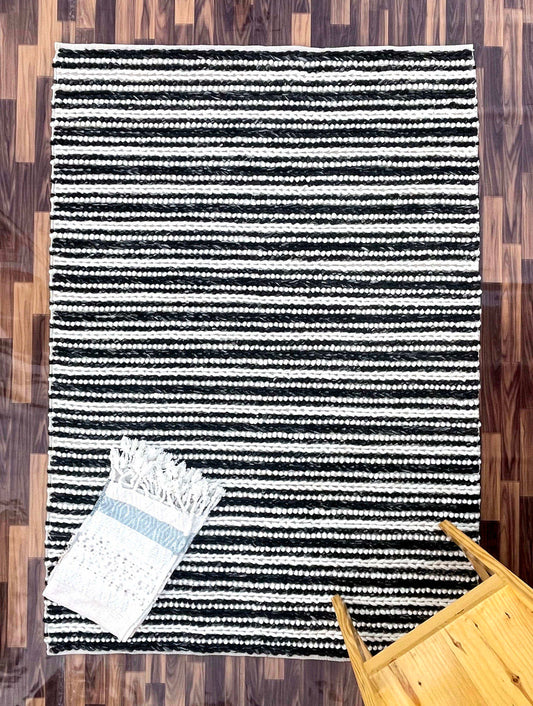
Neutral does not mean boring. Textured weaves, subtle patterns and tonal variations keep a neutral rug interesting without locking you into a specific look.
5. Use Colour When the Room Needs Energy
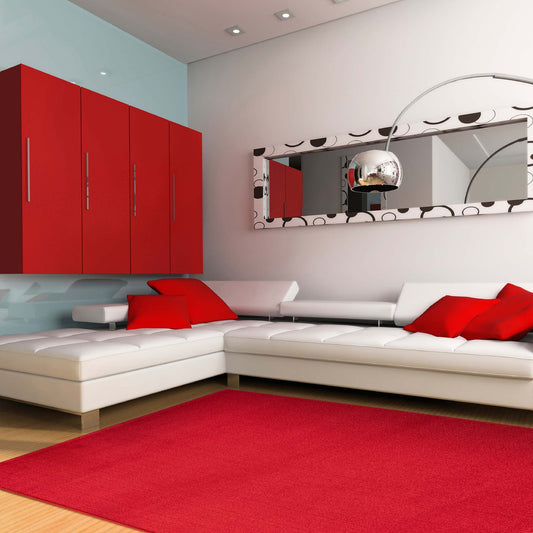
If the room feels flat or lifeless, the rug is one of the easiest ways to fix it. A blue, green, red or gold rug can completely shift the mood of a space without repainting a single wall. The trick is to pick a colour that echoes something already in the room — a cushion, a piece of art, a vase — so it feels connected rather than random.
6. Be Honest About Traffic and Mess
This is where romance meets reality. If your house has kids, pets, frequent visitors or all of the above, you need a rug that can handle it. Delicate textures and light solid colours might look beautiful in a showroom, but they will stress you out in a busy family home.
Stain-resistant rugs and washable rugs exist for exactly this reason. They look good and they survive real life. No guilt, no drama.
If you are worried about aesthetics, do not be. Modern stain-resistant and washable rugs come in the same styles, colours and textures as their more delicate counterparts. You are not sacrificing design for durability anymore.
7. Think About Shape and Layout
Rectangular rugs are the default for most rooms and rarely look wrong. But round rugs can soften a room with lots of straight edges, work beautifully under round dining tables and fit neatly into reading corners. Square rugs suit symmetrical layouts and smaller defined zones.
If your room is an unusual shape or open-plan, consider how the rug defines the space within it. The rug's edges are doing layout work even if you do not realise it.
8. Compare Adjacent Collections Before You Buy
The best rug for your room is often one collection away from the first one you clicked. If you like bohemian rugs, check Moroccan rugs and distressed rugs too. If you are looking at coastal rugs, compare natural rugs and Scandinavian rugs as well. Spending five minutes cross-shopping related styles often leads to a better pick than going with the first thing you see.
We also offer shaggy rugs for maximum texture and geometric rugs if you want structured pattern — both worth a look if you are still deciding.
Spending five extra minutes browsing related collections almost always leads to a better final choice. Treat your first click as a starting point, not a destination.
A Final Thought
The perfect rug is not the one that looks best on screen. It is the one that looks right in your room, fits your furniture, suits your lifestyle and still makes you happy six months after it arrives. If you get the room, the size and the practicality right, the style part usually takes care of itself.
Every rug in our range ships with free delivery Australia-wide. Browse our full range of rugs online to shop by room, size, style and colour.